


March 31, 2025
What is Reinheitsgebot? A Brief History of Germany’s Famous “Purity Law.”

Written by: Hofbräuhaus Staff
When you step into Hofbräuhaus Newport, you’re stepping into a piece of history.
The original Hofbräuhaus in Munich opened in 1589—known then as Hofbräuhaus am Platzl—and was commissioned by Wilhelm V (Duke of Bavaria).
Yeah, we’re talking about a looooooong time ago.
 Hofbräuhaus Newport has long been a great spot to have a pint and relax. But the true story of our venue, going back to its beginnings, is about Reinheitsgebot, the famous German Purity Law for bier making.
Alright, hit me with it: What’s this Purity Law?
We told you there would be history!
Bier making was on the rise across Germany and Bavaria in the early 16th century, but before the production of bier became widespread, the government wanted to control things.
Editor’s note: Rules generally ruin everything, but in this case, the Bavarian purity law may have been the best set of rules ever introduced.
Reinheitsgebot, commonly known as Germany’s Purity Law for bier making, is widely accepted as one of the oldest food safety regulations in the world.
Why did this come about? Well, there’s more than one answer.
First and foremost, as bier drinking and bier making became popular, the Duke wanted to look out for citizens and ensure they were only getting bier made from quality ingredients. Some proprietors had begun experimenting with additive ingredients and other less-healthy options, and there was an appetite for consistency and cleanliness if the Germans were going to enjoy some pints.
Secondly, it made the production of bier easier for brewers and helped the economy throughout the region; people who were looking for a way to make money could harvest or grow these ingredients and serve as suppliers to the brewers.
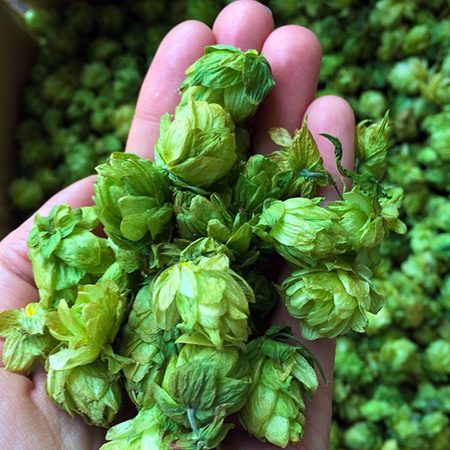 Let’s take one second and talk about the ingredients.
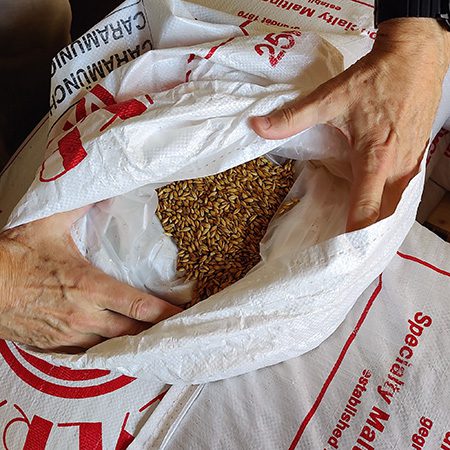
Initially, when Reinheitsgebot was introduced in 1516, only three ingredients were permitted to make bier:
- Water
- Hops
- Barley
And that was the list. Follow the rules!
It’s important to remember that bier drinking and consumption were relatively new around this time in history. Many unknowns about the process existed, but people showed interest (the Germans are known for their celebratory culture), and the government took notice.
At the start, Reinheitsgebot singled out the three aforementioned ingredients to ensure consistency and clarity. The people knew what they were drinking, and the brewers knew what they were allowed to use in production.
Adding balance and flavor over time
You have to give credit to the royalty: they were flexible with Reinheitsgebot.
As more became known about bier making, the Purity Law was eventually extended to include the use of yeast. During fermentation, yeast (depending on the type used) can help develop different flavors and aromas. This is key to our bier because we can experiment and try new things while remaining faithful to the original law.
 Mentioning Reinheitsgebot—especially in conversation with a German bier aficionado—can make their eyes light up for any number of reasons. But most of all, we think about the history and tradition of the world’s cleanest and easiest-drinking bier and how it’s held its own over hundreds of years.
A worldwide reputation for quality and taste
When you sip a pint at Hofbräuhaus Newport, whether inside at a community table or outdoors in the biergarten, you’re literally sipping history.
You’re tasting how bier was made in Germany more than 500 years ago, but you’re also tasting how it’s still made to this day. There’s something to be said for keeping it simple, particularly when we’re talking about bier that’s popular and downright tasty.
One final thought: you might wonder, “What happened to Reinheitsgebot?” or ” Is it still actually a formal law?” The answer is no, but its ethos and almost cult-like following have not wavered.
In 1987, the European Union voted to force Germany to import and sell bier that was not brewed according to Reinheitsgebot. From that point forward, all cases, bottles, and cans were required to be labeled and indicate that “non-conforming ingredients” were used in the recipe.
But fear not, friends: at Hofbräuhaus Newport, we’re all-in on the Reinheitsgebot and have no plans to say goodbye to our rich history. Come see us soon, and enjoy a pint of history with us.
Prost!
 Gift Cards